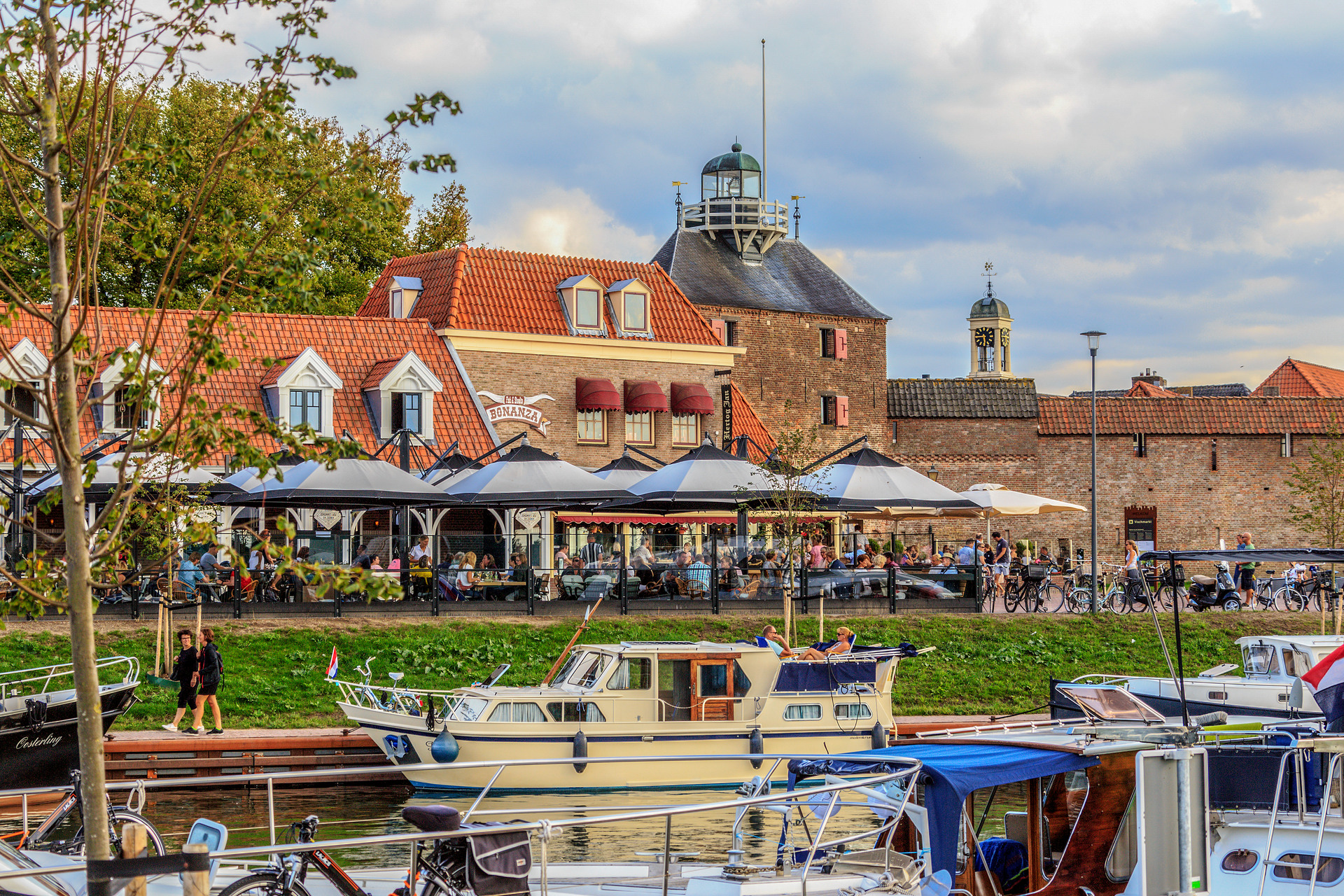
Hanseatic cities in the Veluwe region
The Dutch Hanseatic cities, founded in an era when Amsterdam was little more than a small village, served the purpose of expanding trade and sharing knowledge. Due to their importance for transport, they are mostly located on the water and have a long history, beautiful merchants’ houses and historic gables.
Their history is reflected everywhere in the Hanseatic cities and the Hanseatic mentality is still present today. The Hanseatic League was an association of cities that supported each other at a time when there was hardly any jurisdiction and piracy, robbery and murder made trading trips dangerous endeavours. The Hanseatic League became a powerful alliance in the Middle Ages. Around 200 cities from Russia to France were part of the Hanseatic League. There are nine Hanseatic cities in total, three of which we will introduce in more detail.
Harderwijk
As one of the oldest Hanseatic cities, Harderwijk established connections with other European cities early on. Around 1280, the ambitious little town on the former Zuiderzee became a member of the German Hanseatic League. Just under 40 years later, Harderwijk was even granted its own trading post on the Swedish peninsula of Schonen and more and more merchants and sailors came to Harderwijk to trade and spend the cold winter months. Thus, Harderwijk soon grew into an international city.
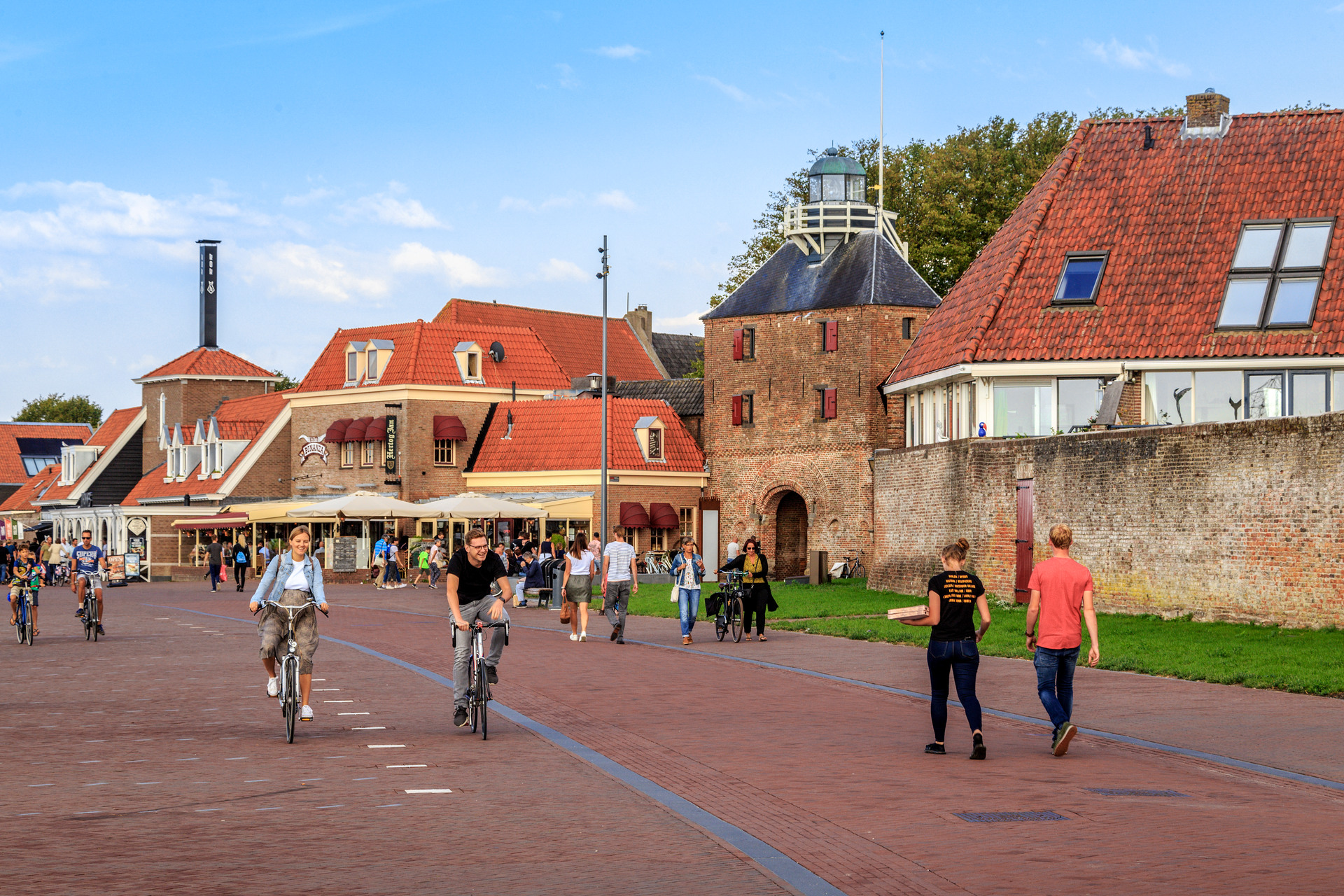
Harderwijk © Jurjen Drenth